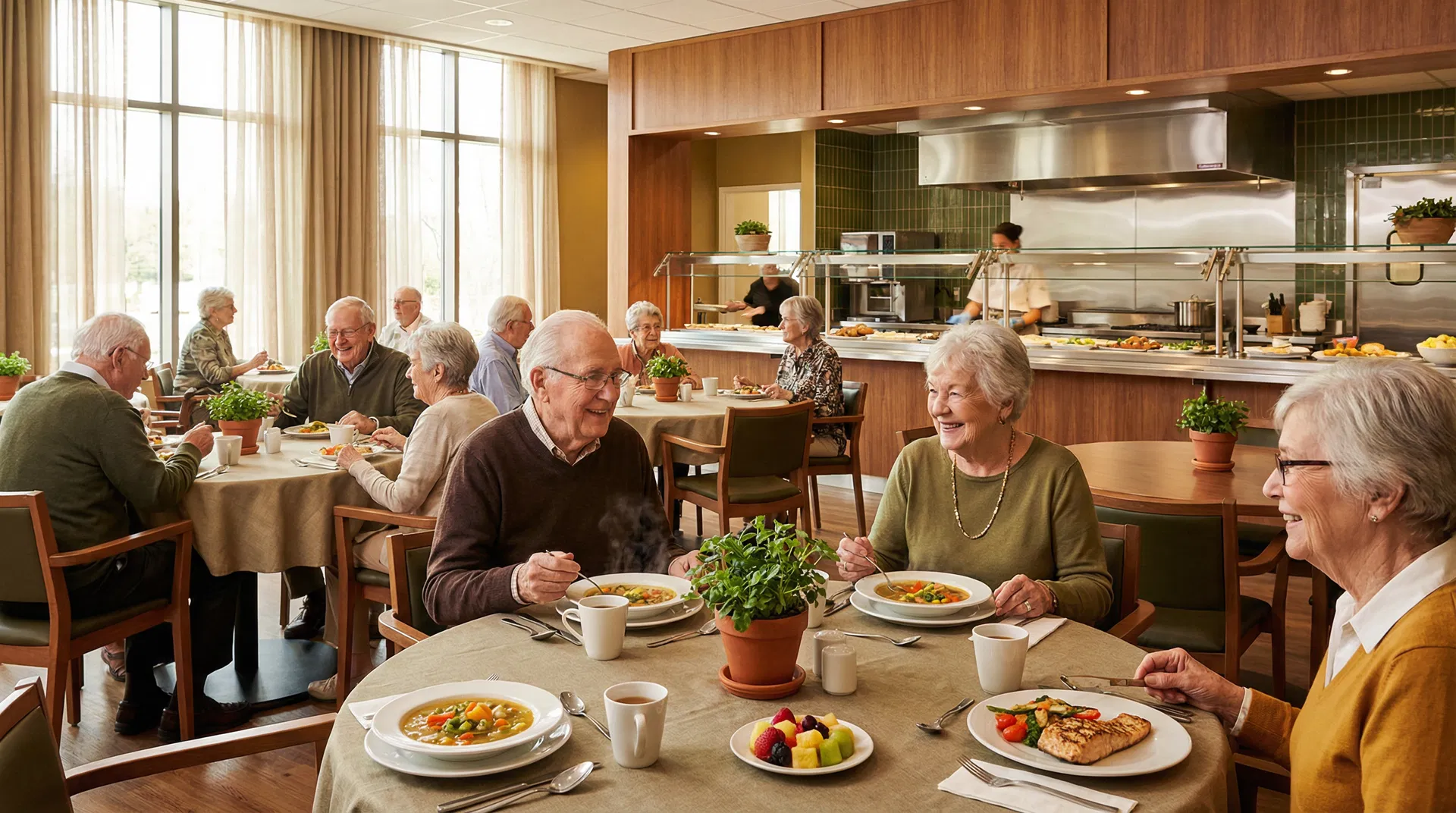
5 Ways to Improve Senior Meal Delivery Operations in 2026
Introduction
Meal delivery is one of the most operationally complex aspects of senior living food service. Between managing dietary restrictions, coordinating drivers, and ensuring meals arrive at the right temperature, there are dozens of moving parts that can go wrong on any given day.
In this article, we explore five proven strategies that leading senior living communities are implementing in 2026 to transform their meal delivery operations.
1. Implement GPS Route Optimization
The single biggest efficiency gain comes from replacing manual route planning with GPS-optimized routing. Modern route optimization algorithms consider traffic patterns, delivery windows, and driver availability to generate routes that are 20-35% more efficient than manually planned ones.
Key benefits:
- Reduced fuel costs by up to 30%
- Shorter delivery windows ensure meals arrive at proper temperatures
- Real-time adjustments when drivers encounter delays
- Historical data helps predict and prevent recurring bottlenecks
2. Adopt Photo Proof of Delivery
Photo proof of delivery eliminates disputes about whether meals were delivered and provides a verifiable audit trail for compliance reporting. Each delivery is documented with a timestamped, GPS-tagged photograph that can be reviewed by administrators, families, and auditors.
Organizations that implement photo proof of delivery typically see:
- 90% reduction in delivery disputes
- Faster insurance claim processing
- Improved family confidence and satisfaction scores
- Complete audit trails for regulatory compliance
3. Digitize Dietary Profiles
Paper-based dietary tracking is a liability risk. When a resident's allergy information lives in a binder in the kitchen, it takes one missed page to create a dangerous situation. Digital dietary profiles ensure that every meal prepared for every resident accounts for their specific restrictions, allergies, and texture preferences.
Modern systems flag incompatible ingredients at the point of meal preparation, preventing errors before they reach the resident.
4. Centralize Kitchen and Delivery Communication
When the kitchen operates in isolation from the delivery team, problems multiply. Meals get prepared but not loaded. Drivers arrive before food is ready. Special diet meals get mixed into regular deliveries.
A centralized platform that connects kitchen prep, packing, and delivery in real time eliminates these communication gaps. Kitchen staff see exactly which meals need to go on which routes, and drivers know exactly what they are carrying and where it goes.
5. Use a Branded Mobile App for Drivers
Generic consumer navigation apps were not designed for meal delivery operations. A purpose-built mobile app gives drivers route-optimized navigation, delivery checklists, photo capture, and real-time communication with dispatch — all in one interface.
When the app carries your organization's branding, it reinforces professionalism and trust with residents and their families.
Conclusion
The senior living food service industry is evolving rapidly. Organizations that invest in technology-driven operations are seeing measurable improvements in efficiency, compliance, and resident satisfaction. The five strategies outlined above represent the highest-impact changes you can make in 2026.
Ready to modernize your meal delivery operations? Request a free demo [blocked] to see how Okto can help.