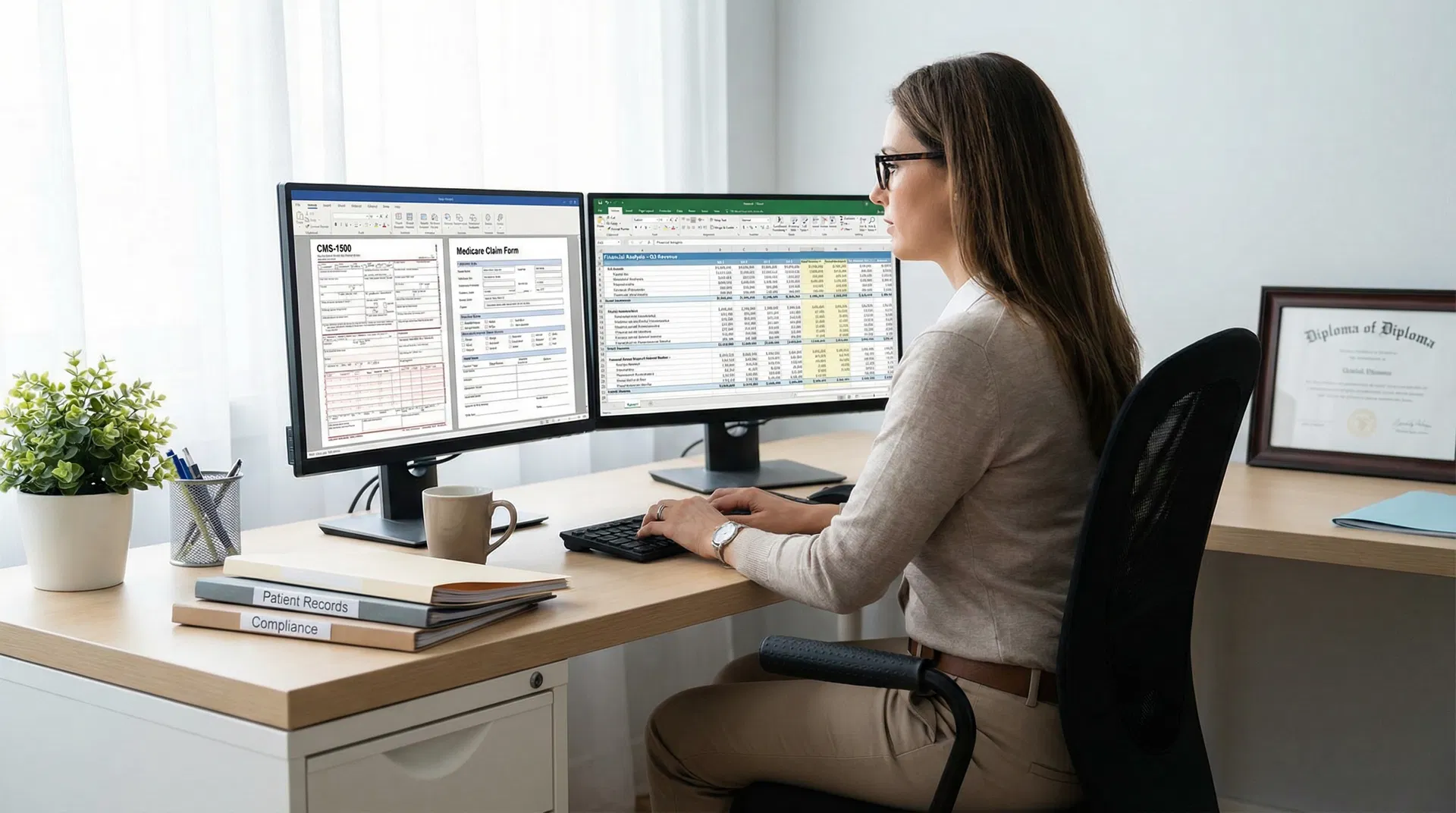
Medicare and Medicaid Billing for Senior Meal Delivery: A Complete Guide
Understanding the Billing Landscape
Medicare and Medicaid reimbursement for home-delivered meals varies significantly by state and program type. Understanding the specific requirements for your service area is the first step toward efficient billing.
Medicare Coverage
Medicare does not directly cover home-delivered meals as a standalone benefit. However, meals may be covered under:
- Medicare Advantage (Part C) supplemental benefits
- Hospital readmission prevention programs
- Chronic care management plans
- Dual-eligible special needs plans (D-SNPs)
Medicaid Coverage
Medicaid coverage for home-delivered meals is more common and typically falls under:
- Home and Community-Based Services (HCBS) waivers
- Managed Long-Term Services and Supports (MLTSS)
- Program of All-Inclusive Care for the Elderly (PACE)
- State-specific nutrition programs
Documentation Requirements
Successful billing requires meticulous documentation at every stage:
Eligibility Verification
- Confirm the resident's insurance coverage and specific plan benefits
- Verify that meal delivery is included in the care plan
- Document the medical necessity for home-delivered meals
Service Documentation
- Record every meal delivered with date, time, and recipient
- Maintain dietary compliance records showing meals meet prescribed requirements
- Keep photo proof of delivery for audit support
Claims Submission
- Submit claims within the required timeframe (varies by payer)
- Include all required codes and modifiers
- Attach supporting documentation as required
Common Billing Errors
The most frequent billing errors in senior meal delivery include:
- Missing or incorrect diagnosis codes — ensure the medical necessity documentation matches the claim
- Late submissions — automate claim generation to avoid missing deadlines
- Incomplete service records — digital tracking eliminates gaps in documentation
- Duplicate claims — automated systems prevent double-billing
- Incorrect modifier usage — use billing software that applies modifiers automatically
Automating the Billing Process
Manual billing is inherently error-prone and time-consuming. Modern food service platforms can automate much of the process:
- Automatic claim generation from delivery records
- Real-time eligibility verification before service
- Electronic claims submission to payers
- Denial management with automated resubmission workflows
- Revenue cycle analytics showing collection rates and outstanding balances
Getting Started with Automated Billing
Okto's billing module connects directly to Medicare and Medicaid systems for automated claim submission and reconciliation. Request a free demo [blocked] to see how it simplifies your billing workflow.